Verkoop praatje

Wat ’n heerlijk gevoel als je jou boek op de plank ziet liggen bij ’n boekhandel (ik heb het over Island Book Store op de Westerstraat). Dat wil zeggen dat iemand jou concept snapt. Hoorah! De kinderboekenbus snapt het ook – we kwamen zaterdag per ongeluk langs, en na mijn “sales pitch”, lag het daar ook op de plank. Tiemon, bij de American Book Center, snapte het ook meteen. Well done!

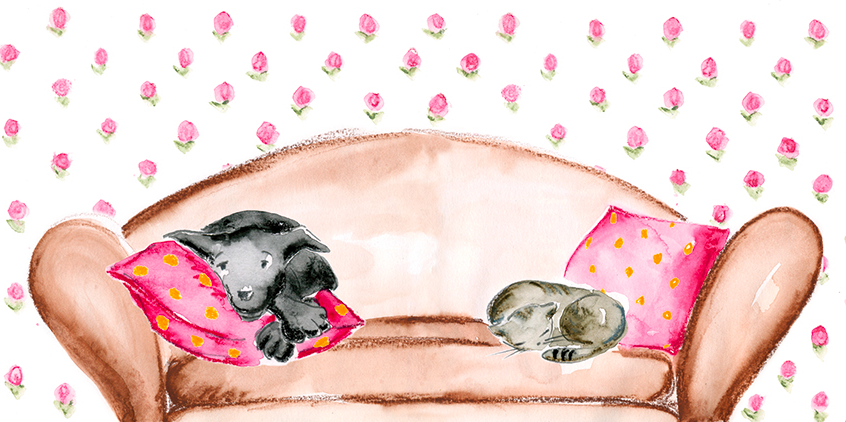
Voor kinderen die tweetalig opgevoed worden, is het de normaalste zaak ter wereld, om van de ene taal naar de anderen over te schakelen. Dus dat doen wij bij Betty & Cat: Betty, de hond, spreekt Nederlands, en Cat, de cat, spreekt Engels. Zij spreken met jou, de lezer. Dus geen lastige vertalingen van links naar rechts.

Betty & Cat is ook leuk voor Oma en Opa – vaak voelen zij zich buitengesloten als kinderen ’n anderen taal spreken. Nu kan Opa het boek voorlezen met zijn “rusty” Engels. Komt hij erg vast te zitten – geeft niet: ze lossen het samen wel op. Win-win.

En kinderen die de nut niet zien van ’n tweede taal, willen toch weten wat de cat allemaal zegt, als ze zich inmiddels in het boek verdiept hebben. . .an het eind van de rit hebben ze toch ’n Engels boek gelezen.

Share

The Sales Pitch

It’s a nice feeling going into a bookstore (in this case, Island Books on the Westerstraat in Amsterdam), and seeing your own book on their shelves. To me it means that someone *gets* the concept, and is willing to take a chance on it. This Saturday, we came across the kinderboekenbus – an old North American school bus that has been turned into a mobile bookstore for kids. After my little sales pitch, they also took Betty & Cat on board! Last Friday, Tiemon at the American Book Center *got* it right away  – and promptly put a bunch on their shelves.

Once booksellers *get* the idea behind them, Betty & Cat books are an easy sell. The thing that makes them unique is that they read from top to bottom and are not translated. So instead of having to plow through a foreign-language page on the left, then re-read the translated page on the right, effectively reading it twice, and maybe losing your place, you read the book in one go. The dog speaks Dutch and the cat speaks English. They talk to you. The text flows from one language to another, the way bilingual kids themselves talk to their parents, for example.  And if there’s something the reader doesn’t understand, it’s no big deal – there’s always a next time. . .

Another benefit of the Betty & Cat books is that grandparents and other adults around bilingual kids sometimes feel left out of this experience – their English is a bit shaky. With Betty & Cat, Opa can read the book to his grandchildren, asking for help if he gets stuck. The kids think this is great, Opa shares the bilingual experience. Win-win.

I’ve seen a 15-year-old boy who hates studying English read Thuis bij Betty & Cat At Home – he’s not exactly the target market, but still. It took him 15 minutes to get through the book; every now and then he smiled. Finally, he finished – and felt quite proud of his achievement. He’d read an English book cover-to-cover.

Share